TSMC controls 95% of advanced chip packaging and is already 30% short of demand. Washington cancelled the one programme designed to change that.
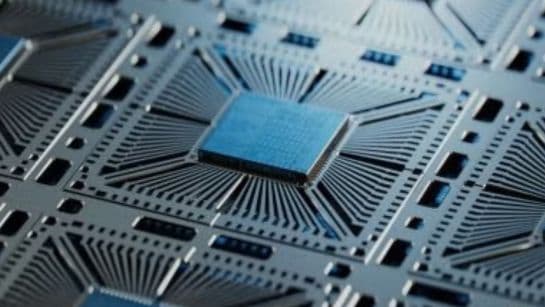
There is a step in making a semiconductor that most people have never heard of, and it is quietly threatening to derail American ambitions in artificial intelligence. It is called advanced chip packaging, and it is the process of bundling multiple chips into a single module so they can work together at the speeds that AI requires. Without it, the most powerful processors Nvidia designs simply cannot exist.
How This Happened
For decades, packaging was treated as the unglamorous final step that American chipmakers happily outsourced to lower-wage factories across Asia. The exciting engineering happened in fabrication, where shrinking transistors delivered reliable performance gains year after year. When those gains began slowing down, the industry pivoted to packaging as the next frontier. By then, TSMC had already built an insurmountable head start.
Today TSMC not only manufactures cutting-edge chips for Nvidia and Apple, it packages nearly all of them too. Its CoWoS packaging technology is what makes Nvidia’s latest Rubin processor possible, bundling two large AI chips with eight stacks of high-speed memory to amass 336 billion transistors in one palm-size module. TSMC accounts for roughly 95% of all advanced packaging globally, and its production is already running about 30% short of demand.
The Programme That Was Cancelled
Subramanian Iyer, a UCLA professor and former IBM engineer who spent decades advancing packaging technology, spent years building a plan for a $1.1 billion packaging research centre in Arizona under the Biden administration. The Trump administration cancelled it last year. Iyer’s assessment was direct. America ended up more dependent on TSMC than before, not less.
Who Is Trying to Fill the Gap
Amkor Technology is building its first US packaging facility in Arizona under a 10-year deal with TSMC, with potential investment reaching $7 billion. Intel has hired new leadership for its packaging division and picked up new customers. Applied Materials is building a $5 billion Silicon Valley research facility with packaging as a core focus. Whether these efforts can meaningfully close the gap before AI demand outpaces supply entirely is the question the industry cannot yet answer.