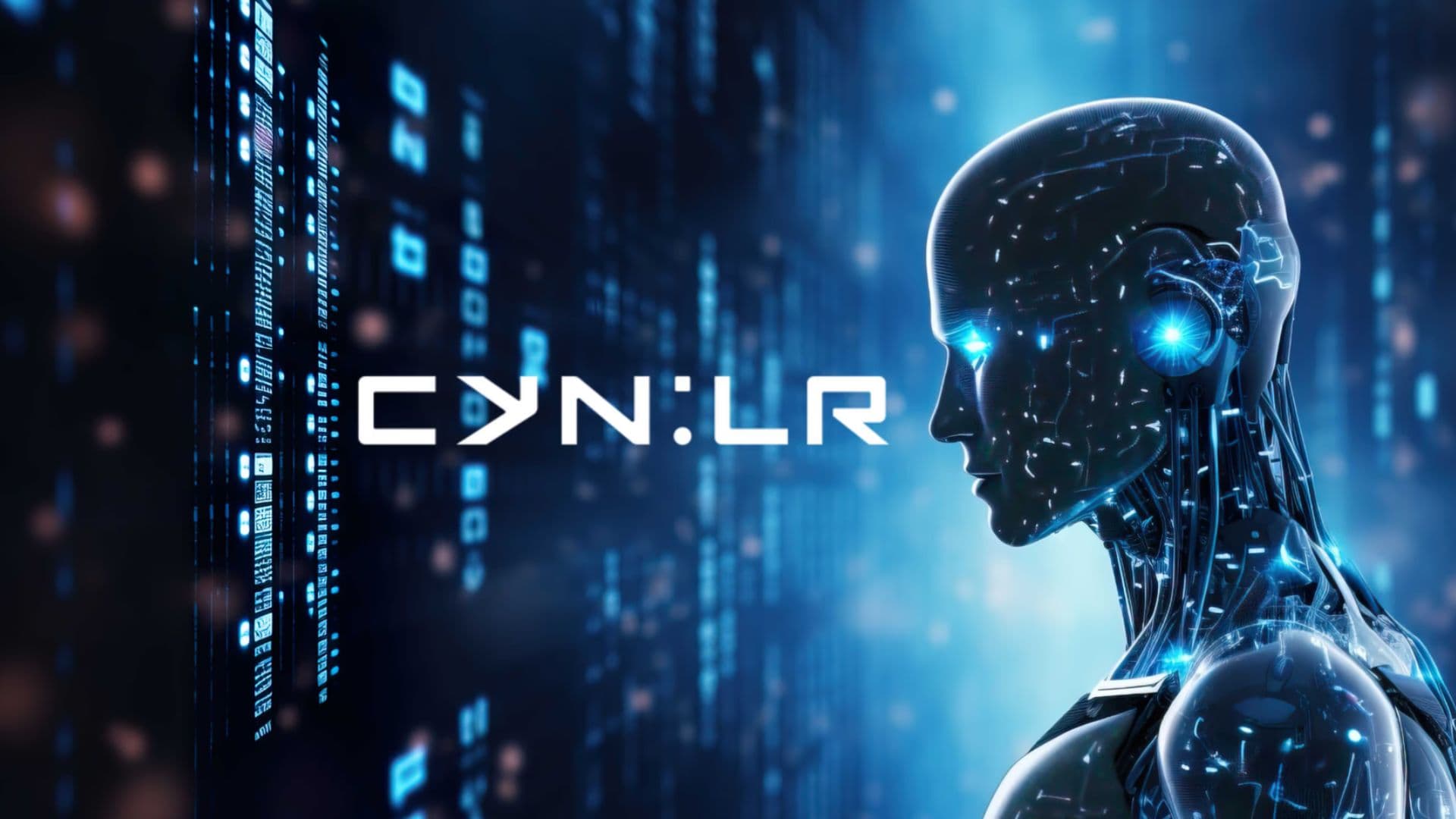
Bengaluru startup bridges the gap between human perception and industrial automation using primate brain models
Walk into any modern factory, and you will find extraordinarily precise robots , but extraordinarily brittle. Change the material, shift the lighting, or introduce a new object shape, and an entire production line can grind to a halt. Human workers adapt in seconds. Machines require complete reprogramming. Bengaluru-based startup CyLnr was founded to close that gap, and it is doing so with an unlikely tool: the primate brain.
The Science Behind the Machine
Founded in 2019 by Gokul N A and Nikhil Ramaswamy, CyLnr partnered with IISc’s Centre for Neuroscience and Vision Lab to study how primate brains process shapes, textures, and motion. Rather than writing rigid rules for every object type a robot might encounter, the team translated those biological perception models directly into algorithms — shifting robots from instruction-following to genuine decision-making. The result is CyRo, a visual intelligence platform that allows robots to recognise objects, adapt to new materials, and operate without constant recalibration.
A SaaS Model Inside a Hardware Company
CyLnr’s business model sets it apart from traditional robotics firms as much as its technology does. Beyond hardware sales, the company layers recurring software subscriptions through its visual intelligence platform. Every deployed robot feeds data back into the broader network, continuously improving the entire system — creating predictable recurring revenue at margins more typical of a software business than a manufacturer.
The Timing Is Right
India’s manufacturing expansion, rising labour costs, and a surge in deep-tech investment have converged precisely as CyLnr scales. With government policy and market demand both aligned in its favour, the startup represents a rare case of deep academic science meeting genuine industrial need — building competitive advantages that are as difficult to replicate as the biology that inspired them.