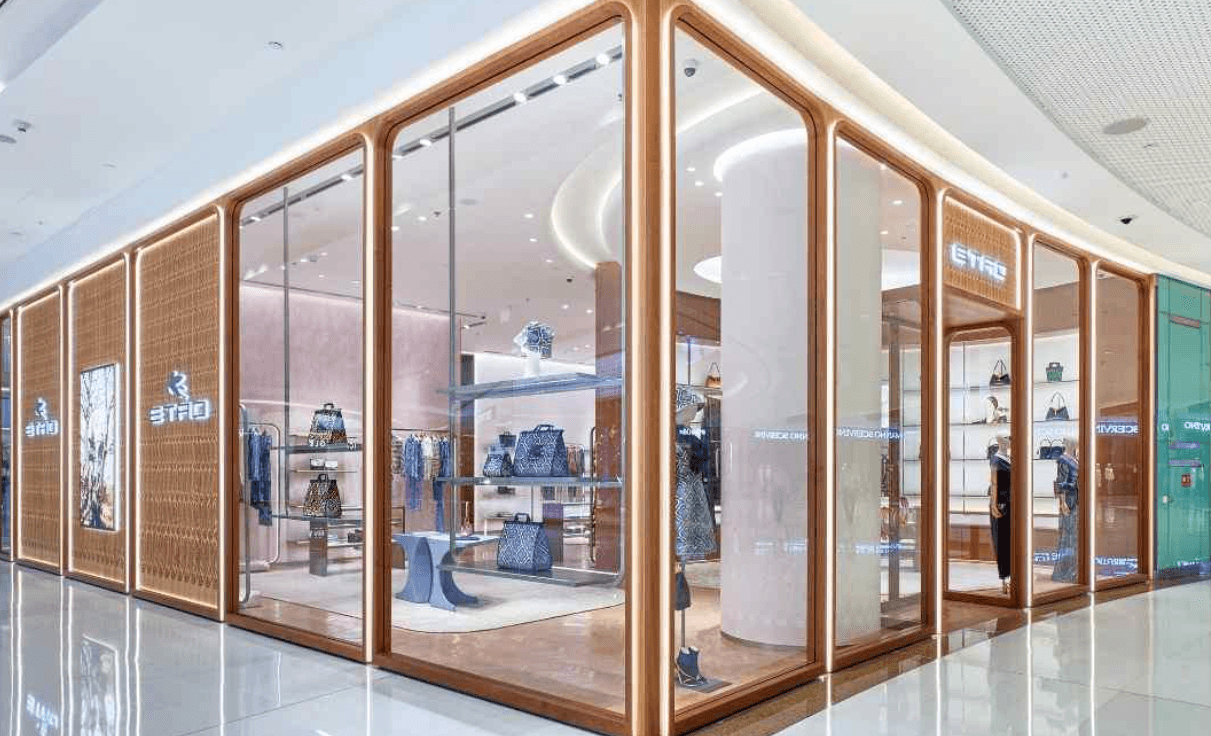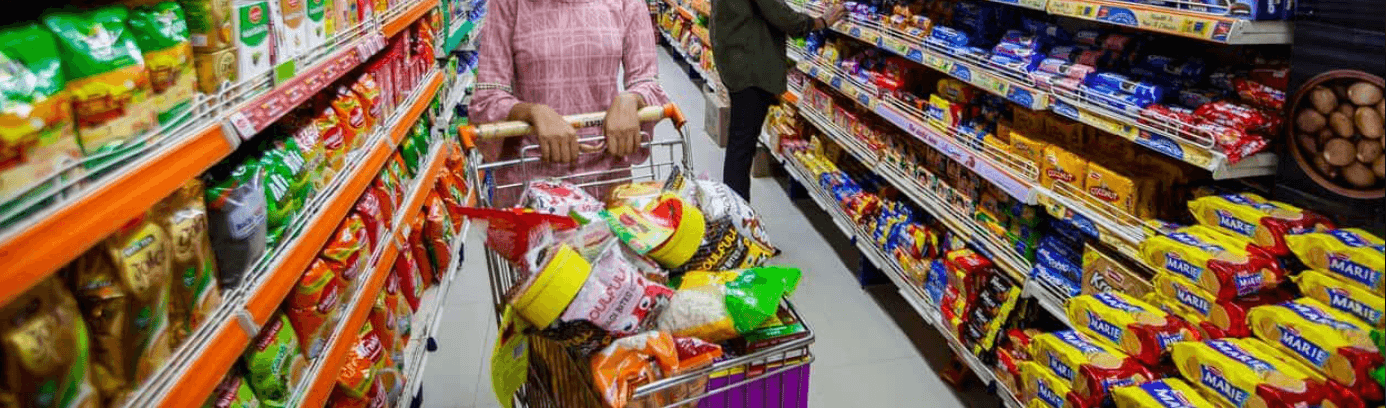
Large FMCG companies are not buying young brands simply because they want new products. They are buying a faster route into consumer trends they cannot build quickly enough inside their own organisations.
Kwality Wall’s is reportedly looking at a stake in a VC-backed ice-cream brand. ITC has acquired Yoga Bar. L’Oréal has completed its majority acquisition of Innovist, parent of Bare Anatomy, Chemist at Play and SunScoop. These are different deals in different categories, but they point to the same strategic shift: big FMCG is increasingly using M&A to buy access to new consumers, new channels and faster product innovation. The Economic Times reported the Innovist deal and broader M&A trend.
The important question is not whether large FMCG companies are buying brands. It is what they are actually paying for—and whether they can preserve the qualities that made those brands attractive in the first place.
The old FMCG playbook is under pressure
For decades, large FMCG companies grew through a familiar playbook.
They built mass-market brands, invested heavily in manufacturing and distribution, secured retail shelf space, and used advertising to drive awareness. This worked well in a market where consumer preferences changed slowly, and distribution was the main competitive advantage.
That playbook is under pressure today.
Consumers are discovering products through social media, influencers, quick commerce and D2C websites rather than television advertising alone. They are more willing to try new brands, but less loyal by default. They expect faster innovation, cleaner labels, better ingredients, and more personalised experiences.
This creates a problem for large FMCG companies. They have the resources to build new brands, but often lack the speed and consumer intuition to do so quickly.
Why big FMCG cannot build fast enough
Large FMCG companies are not slow because they lack talent. They are slow because their scale creates friction.
A new product inside a large FMCG company must pass through brand teams, R&D, procurement, manufacturing, legal, regulatory, sales, and distribution. Each step adds time. Each decision carries risk. A failed launch can affect a large organisation’s credibility and financial performance.
A startup faces different incentives.
It can launch a small batch, test a product online, collect feedback and iterate quickly. It can take risks because it has less to lose. It can move faster because decision-making is concentrated in a smaller team.
That is why large FMCG companies often find it easier to buy a young brand than to build one internally.
The three things FMCG companies want
Large FMCG companies are usually trying to buy one or more of three things.
Consumer access
A young brand may have already built a relationship with a consumer segment that the larger company finds difficult to reach.
This is especially true in beauty, wellness and premium food. Younger consumers often discover brands through Instagram, YouTube, quick-commerce apps or influencer recommendations. They may not respond to traditional television advertising in the same way.
A large FMCG company can buy access to that consumer through an acquisition.
Distribution advantage
A young brand may have built a distribution model that the larger company lacks.
For example, a D2C brand may have strong direct-to-consumer relationships, quick-commerce listings or a loyal online community. A large FMCG company can use that access to test new products or enter new markets.
In some cases, the buyer may also gain access to niche retail channels, premium modern trade or out-of-home consumption.
Innovation speed
A young brand may have a faster product-development cycle.
It can test new flavours, formulations, packaging and pricing without the same organisational friction. That makes it valuable as an innovation engine, not just as a revenue-generating business.
This is why the buyer may want to preserve the startup’s operating culture rather than fully absorb it.
The ice-cream example
Ice cream illustrates why large FMCG companies may prefer acquisition.

The category has strong repeat demand, but it is difficult to scale. It requires cold chain, manufacturing capacity, freezer placement, distribution relationships, and working capital.
A large FMCG company can build these capabilities internally. But it may take years to develop a credible premium ice-cream brand with national distribution.
By taking a stake in a VC-backed ice-cream brand, Kwality Wall’s could gain faster access to a category that is already growing. It could also gain insight into new consumer preferences, product formats and digital channels.
The risk is that the acquired brand may lose its distinctiveness after integration.
The snack example
ITC’s Yoga Bar deal shows a similar logic.
Yoga Bar built a position in health-focused snacking, a category where consumers are increasingly looking for protein, fibre and cleaner ingredients. ITC’s acquisition gives it a faster entry into that trend than building a new health-snack brand from scratch.
But the deal also raises a question: can a large FMCG company preserve the health-focused identity of a brand it has acquired?
If Yoga Bar becomes too closely associated with ITC’s broader portfolio, it may lose some of its distinctiveness. If ITC gives it enough autonomy, it may retain its appeal.
What usually changes after the deal
The biggest risk in these acquisitions is not the purchase price. It is what happens after the deal closes.
A startup’s advantage often comes from speed, founder autonomy, and a willingness to take risks. Once it becomes part of a large company, those advantages can disappear.
The key questions are:
- Will the founders retain decision-making power?
- Will product launches still move quickly?
- Will the brand keep its direct customer relationship?
- Will pricing and promotions be controlled locally or centrally?
- Will the startup’s data be integrated into the parent’s systems?
- Will the brand be allowed to fail fast, or will it become risk-averse?
L’Oréal has said Innovist’s founders will continue to run the business. The Economic Times reported the founder-continuity plan. That is important. But autonomy on paper is not the same as autonomy in practice.
Conclusion: the deal is not the end
The recent wave of FMCG acquisitions is not just about buying brands. It is about buying speed, distribution, and access to new consumer trends. The winner will not be the company that pays the highest price. It will be the company that can integrate a startup without turning it into another slow-moving corporate brand.
Read More: Sarvam’s $3 Billion Question: Sovereign AI Infrastructure or Government Vendor?