IPO plans by domestic players highlight changing consumer preferences, price sensitivity and the growing opportunity beyond India’s major cities.
India’s baby diaper market is seeing a major shift as homegrown companies increasingly look towards the capital markets to finance expansion and compete with established multinational brands.
Nobel Hygiene and Swara Baby Products have filed draft papers with the Securities and Exchange Board of India (SEBI) for initial public offerings. Nobel Hygiene is seeking to raise around ₹150 crore, while Swara Baby Products has proposed an IPO of about ₹1,000 crore. The proposed fundraising comes as domestic diaper companies look to expand manufacturing, distribution, and their presence in smaller cities.
MNC market share under pressure.
For years, India’s baby diaper market has been led by global companies such as Procter & Gamble, Unicharm and Kimberly-Clark, whose brands include Pampers, MamyPoko and Huggies.
However, their combined share has been declining. Data cited from a Redseer report in Nobel Hygiene’s draft papers shows that the three companies accounted for about 75% of the market in FY26, down from 85% in FY20. Their combined share is projected to fall further to around 70% by FY31. The change is being driven partly by consumers in Tier-2 cities, smaller towns and urban outskirts, where affordability is an important consideration.
Price becomes a key battleground.
Baby diapers remain a recurring household expense, particularly during the first few years of a child’s life. This has created room for brands to offer lower prices while maintaining acceptable product quality.
Value-oriented brands have benefited from this shift. According to the Redseer data cited in the filings, value-segment challengers grew at an estimated compound annual growth rate of about 24% between FY20 and FY26, more than twice the growth rate of multinational brands during the same period. The price difference is significant. Value brands can sell individual diapers for roughly ₹5-₹10, while premium products can cost considerably more depending on the pack and product type. Digital marketplaces and private labels have helped domestic brands reach consumers, but physical retail remains crucial for wider adoption.
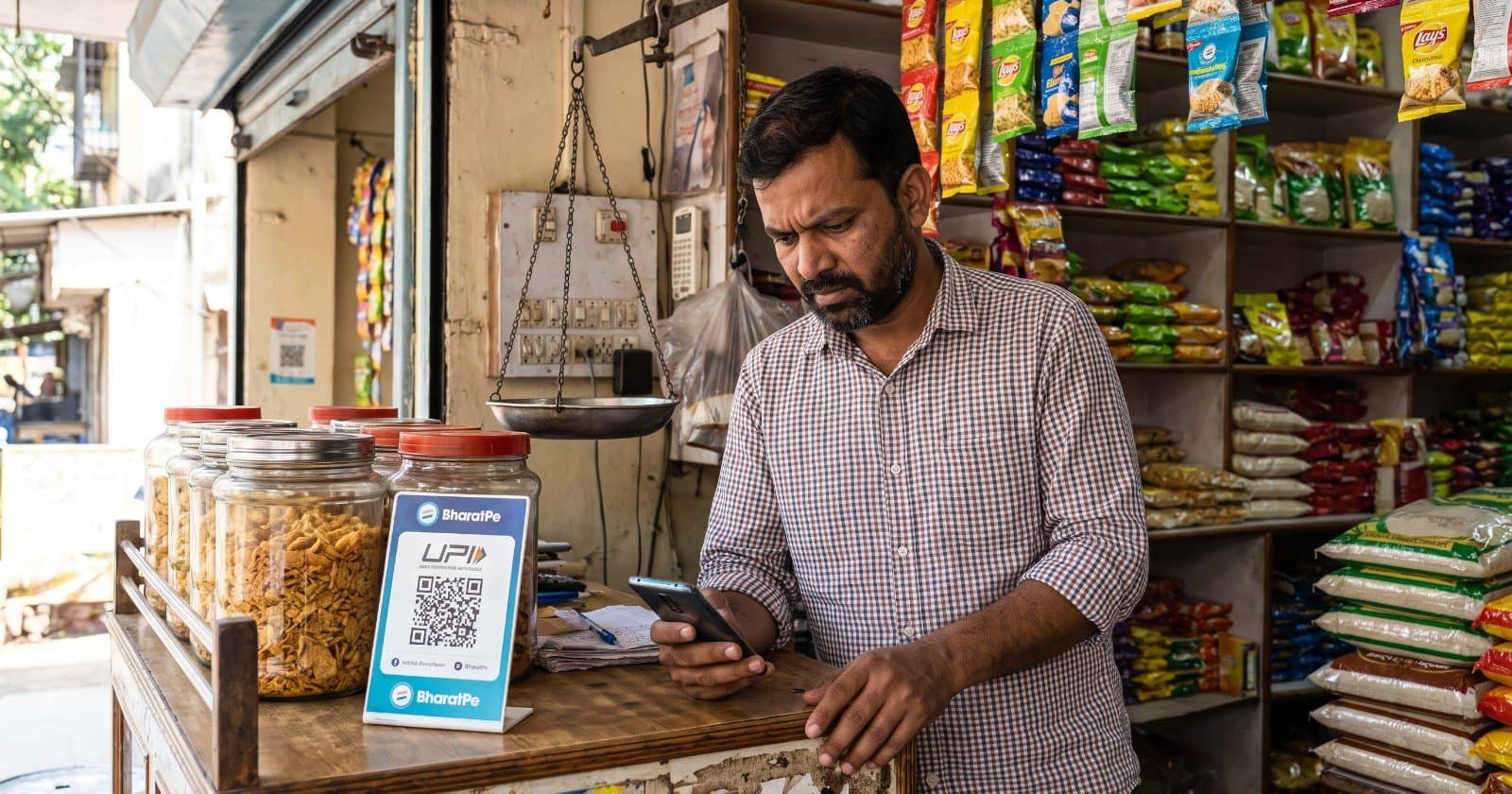
Companies now face the challenge of building distribution networks beyond major urban centres and ensuring their products remain visible on neighbourhood store shelves. The shift towards Tier-2 and smaller markets could become increasingly important as first-time diaper users enter the category.
Swara, which operates manufacturing facilities in Madhya Pradesh, has also announced plans for additional capacity. Its proposed expansion underlines the importance of scale in a category where pricing, manufacturing efficiency and distribution can determine competitiveness.