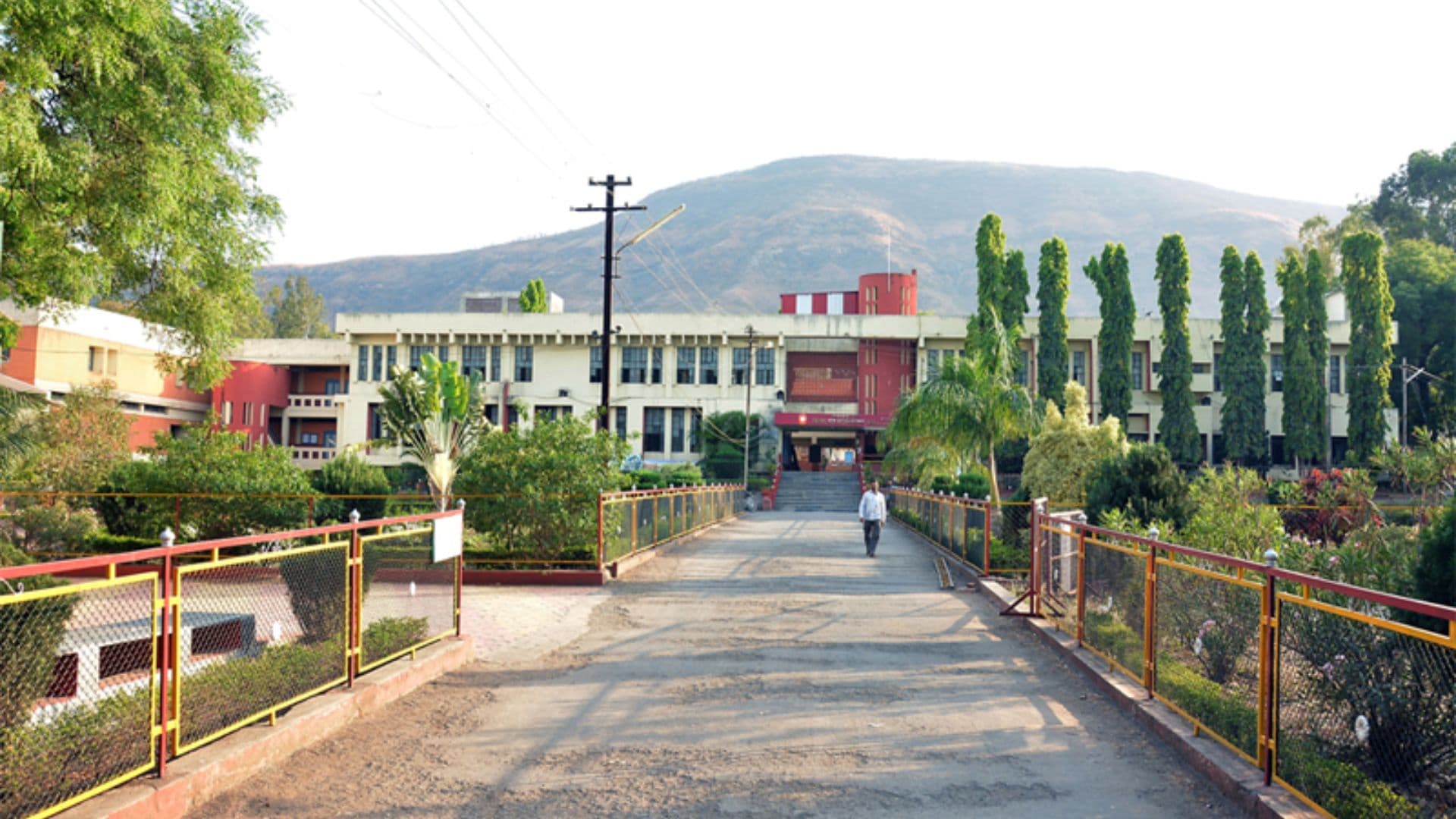
A two-acre orchard planted by students through voluntary labour in 1990 now generates nearly Rs 1 lakh a season and has helped around 80 young people from Marathwada and Vidarbha complete their degrees without spending a rupee
Somnath Sanap grew up in Hivarsinga village in Beed district, in a family that survived on three acres of land that had no irrigation and therefore no reliable income. In 2015, his grandfather, who held the family together, ended his life under the weight of debt he could not repay. Two years later, Somnath arrived at Kisan Veer Mahavidyalaya in Wai with no money and no certainty about what came next. He left with a master’s degree in Chemistry and paid nothing.
The Orchard That Made It Possible
Sometime around 1990, a professor named Dattatray Waghchavare looked at a patch of unused land beside the college hostel and decided students should plant something there. They did, through shramdan, the kind of collective voluntary work that colleges used to build into their identity. Mango saplings went into the ground. Nobody quite knew what would come of it.
What the Grove Produces Now
This past season, the orchard at Kisan Veer generated close to Rs 1 lakh. Around 450 dozen Hapus and 250 dozen Kesar mangoes were harvested and sold, along with smaller quantities of Pairi, Lalbagh, and local varieties. The 180 trees that now stand on that two-acre plot have become one of the college’s most reliable sources of independent revenue, entirely outside the government grant system.
The programme that the orchard supports does not draw on government funding at all.
Who Actually Benefits
Since 2016, Kisan Veer has quietly extended free education to students from farming families in Marathwada and Vidarbha who have been hit hardest by the agrarian crisis. Young people from districts like Beed, Osmanabad, Latur, and Nashik, places where farmer suicides have left families without their primary earner, arrive at the college and find that tuition, accommodation, and medical support are available to them at no cost.
Around 80 students have completed their degrees under this arrangement so far. Former students recall finishing their entire education, from admission to graduation, without spending a single rupee of their own money. The orchard’s earnings are one piece of this. Modest on their own, but meaningful when combined with the institution’s broader commitment to carrying these students through.