For decades, the playbook for corporate India’s retail titans was straightforward: conquer the metropolitan megacities, establish dense store networks across Tier-1 hubs, and treat the vast countryside as a secondary clearinghouse for mass-market goods.
That strategy has hit a structural wall. Today, metropolitan centers are choked with hyper-dense delivery networks, while quick-commerce platforms battle for the same high-income pin codes. In response, fast-moving consumer goods (FMCG) executives and retail strategists are pivoting their capital towards high-potential micro-markets across Tier-2, Tier-3, and rural hinterlands. Rather than competing for incremental urban footfalls, target micro-markets offer untapped growth where consumption momentum is outstripping city centers.
Data from market research firms and government surveys confirms this dramatic migration. According to NielsenIQ’s FMCG Snapshot, India’s FMCG sector recorded a 7.8% year-on-year value growth in Q4 2025, with rural demand outpacing urban consumption for the eighth consecutive quarter. Earlier in Q2 2025, rural India registered an impressive 8.4% volume growth compared to just 4.6% in urban centers. This divergence is not a temporary anomaly; it represents a fundamental realignment of India’s consumer landscape driven by rising non-farm wages, digital payments, and expanding physical infrastructure.
The Urban Wall and the Hinterland Migration
The competitive pressure in metropolitan centers has accelerated this outward expansion. Quick commerce has revolutionized urban grocery delivery, with India’s five largest q-commerce operators adding nearly 900 dark stores in a single three-month sprint.
While the quick-commerce industry is projected to grow from USD 3.49 billion in 2025 to USD 4.35 billion by 2030, its hyper-concentration in metro pin codes has eroded margins and capped physical retail expansion for traditional players.
Consequently, retail conglomerates are shifting focus from saturated city streets to underserved regional centers. Trent, which operates the value-fashion brand Zudio, explicitly highlighted in its 2025–26 annual report that its core strategy now centers on expanding across micro-markets rather than relying solely on existing urban store footfalls.
Similarly, Avenue Supermarts (D-Mart) reported that its outlets in non-metro locations outperformed older metropolitan stores during the April–June quarter. These geographically defined micro-markets encompass underpenetrated regional hubs where rising disposable incomes meet a lack of organized retail options.

To understand the core operational dynamics driving this structural transition across regional hubs, consumer goods executives cite several key catalysts. The erosion of urban footfalls due to dark-store hyper-density has systematically reduced physical store visits in metropolitan centers, forcing traditional supermarkets to seek growth in smaller towns. At the same time, non-metro hubs exhibit high latent demand for organized fashion, packaged foods, and personal care brands that were previously unavailable locally. Favorable real estate economics, characterized by lower commercial rent and overheads in Tier-2 and Tier-3 centers, allow retail chains to establish larger store footprints with considerably lower break-even thresholds. Furthermore, agile B2B distribution networks are expanding rapidly into semi-urban clusters, dramatically reducing inventory transit times for local retailers.
Macro Drivers: Wages, Infrastructure, and Aspirational Shifts
What is fueling this sustained rural boom? Macroeconomic data points to a combination of agricultural resilience and structural policy support. Rising agricultural wages, consecutive years of favorable monsoons, and steady growth in the rural non-farm economy have bolstered household balance sheets.
Furthermore, the Ministry of Statistics and Programme Implementation’s (MoSPI) Household Consumption Expenditure Survey (2023–24) revealed that non-food discretionary items now account for approximately 53% of rural monthly per capita consumption expenditure (MPCE), compared to 60% in urban areas. The narrowing urban-rural consumption gap underscores a decisive shift from survival spending to aspirational lifestyle purchases.
Public infrastructure investments have played a pivotal catalytic role in this economic transformation across interior territories. The expansion of all-weather rural roads under the Pradhan Mantri Gram Sadak Yojana (PMGSY) has lowered freight expenses and streamlined last-mile logistics across previously isolated clusters. Concurrently, connecting Gram Panchayats with high-speed fiber broadband under the BharatNet project has democratized access to digital platforms and significantly broadened e-commerce reach.
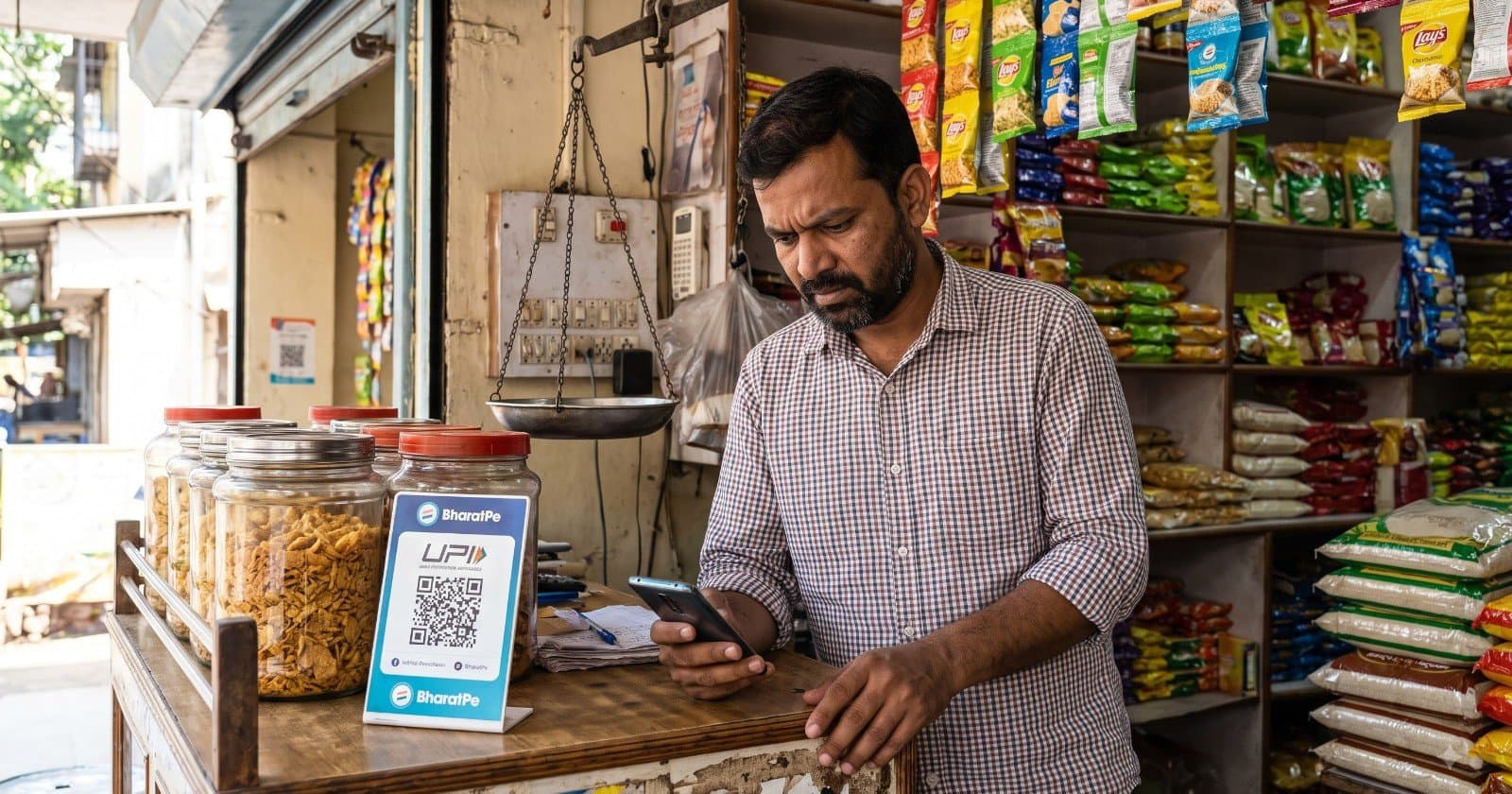
The universal adoption of Unified Payments Interface (UPI) transactions across village kiosks has virtually eliminated cash friction in small-ticket retail, while the growth of decentralized micro-processing units supported by government schemes has created regional employment outside traditional agriculture.
Identifying lucrative micro-markets requires analyzing local agricultural output alongside these digital and physical connectivity metrics. As discretionary spending expands, these micro-markets exhibit faster growth than traditional urban stores.
The Editorial Framework: Deconstructing the Rural Fallacy
While the macro narrative appears compelling, an editorial analysis reveals significant operational and strategic friction. The central mistake corporate boardrooms make is treating rural India as a homogenous mass market.
Rural India is not one uniform consumer base; it is a complex mosaic of distinct economic zones shaped by cropping patterns, local industrial clusters, migrant remittance flows, and socio-economic dynamics.
The key to unlocking micro-markets lies in localized economic intelligence rather than blanket nation-wide campaigns. A corporate strategy tailored for prosperous agricultural micro-markets cannot be copy-pasted into regions reliant on seasonal informal labor. By treating contiguous districts as distinct micro-markets, consumer firms customize packaging, price points, and inventory cycles to match local cash-flow dynamics.
The structural variance across non-metro regions can be understood by examining four primary consumer operational profiles across interior India. Prosperous agricultural belts are characterized by high seasonal cash flows post-harvest, generating strong demand for premium farm inputs, durable goods, and family-sized packaged goods.
Migrant remittance corridors are driven by steady monthly fund transfers from urban workers, establishing consistent baseline demand for personal care, consumer electronics, and processed foods. Industrial and mining clusters exhibit stable wage employment and higher night-time retail footfalls, spurring demand for quick-prep meals and modern apparel. Finally, semi-urban feeder towns serve as regional trade centers that draw daily commuters from surrounding hamlets for bulk household shopping.
Moreover, corporate strategists must distinguish between consumer awareness and sustainable purchasing power. Digital exposure via smartphones and social media has skyrocketed aspirational demand across rural households. However, high brand awareness does not automatically translate into regular repeat buys. When agricultural incomes fluctuate or food inflation spikes, price-sensitive households swiftly revert to essential items or unbranded alternatives.
To overcome this affordability barrier, FMCG manufacturers frequently rely on low-unit-price (LUP) packs or entry-level sachets. While entry packs encourage initial trial, they introduce severe margin pressures across the entire supply chain.
Material and filling costs consume a significantly larger percentage of total retail price on small sachets compared to family packs. Additionally, shipping lightweight, low-value inventory across long distances inflates logistics costs per unit sold.
Small-format retailers often require higher trade margins or cash incentives to stock low-margin stock-keeping units (SKUs), while slow inventory turnover in distant interior outlets can tie up distributor working capital for extended periods. Without high purchase velocity, low-margin entry packs fail to generate sustainable profits for brand owners or local distributors.
Channels in Conflict: Quick Commerce, Kiranas, and ONDC
As retail chains march into non-metro regions, they encounter an intricate ecosystem of traditional trade. Millions of neighborhood kirana stores remain the primary retail touchpoint for rural and Tier-3 consumers. While urban pin codes battle dark-store congestion, regional micro-markets rely on expanding logistics networks that integrate local distributors rather than bypassing them.
Government policies and public digital infrastructure are actively shaping this technological transition across traditional trade channels. The Open Network for Digital Commerce (ONDC) is unbundling traditional e-commerce monopolies by enabling independent local sellers and kiranas to join a decentralized digital marketplace without heavy platform fees.
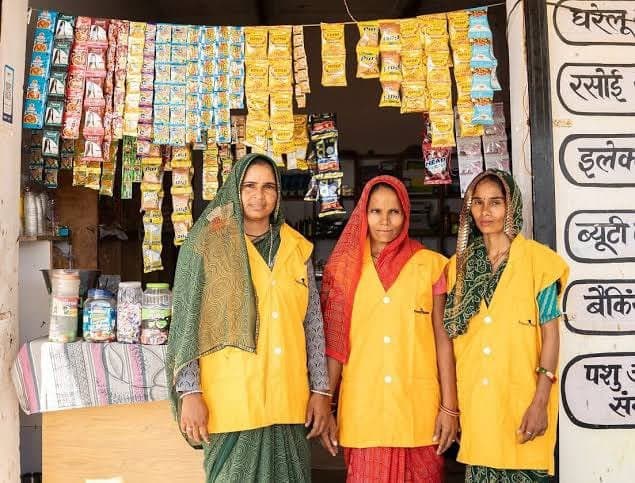
Concurrently, programs such as the Deendayal Antyodaya Yojana–National Rural Livelihoods Mission (DAY-NRLM) harness women-led self-help groups to foster community-owned retail enterprises and local distribution collectives.
Upgrading micro-processors and regional food brands through the PM Formalisation of Micro Food Processing Enterprises (PMFME) scheme further satisfies growing local demand for hygienic packaged goods.
Furthermore, comprehensive market research directories, including global industry insights platforms such as Spherical Insights, document how these regional market shifts align with broader commercial forecasts slated for the coming decade.
Digital infrastructure connects these micro-markets to broader e-commerce platforms, helping local processors supply packaged foods to a growing national market a sector Deloitte and FICCI project will reach nearly USD 600 billion by 2030.
Risks and Strategic Imperatives
The transition to rural-led growth is fraught with systemic risks. Monsoon volatility remains the most critical wildcard. Climate anomalies such as El Niño threaten agricultural yields and farm incomes, capable of stalling rural consumption momentum overnight. Furthermore, last-mile logistics costs in low-density geographies can severely impair unit economics if distribution hubs are inefficiently managed.
To mitigate these structural vulnerabilities, retail brand leaders are adopting clear strategic imperatives. Forward-looking companies leverage real-time regional sales analytics for dynamic inventory balancing, reallocating inventory quickly during hyper-local economic downturns or crop failures.
Instead of constructing capital-intensive proprietary fleets, leading players form hybrid logistics networks with regional third-party logistics (3PL) providers and local transport operators. They also focus on localized product tailoring, reformulating packaging sizes, flavor profiles, and price ladders specifically for non-metro taste preferences and income pulses.
Finally, direct-to-kirana engagement through lightweight merchant apps empowers rural store owners to order directly from brand hubs with flexible credit terms.
However, entering smaller micro-markets introduces steep distribution costs that cannot be offset by heavy television or digital advertising alone. Distribution reach and retailer profitability matter far more than media spend. Building sustainable margins in non-metro micro-markets demands granular data on repeat purchases, store-level throughput, and working capital cycles.
Conclusion: Winning the Long Game in the Hinterland
India’s retail narrative is undergoing an undeniable structural transformation. The era when metropolitan growth alone could carry corporate earnings is over. As market research from directories like Spherical Insights highlights across global industrial shifts, long-term enterprise value depends on identifying sub-segment growth engines before they become mainstream.
Ultimately, the next chapter of Indian retail will be won in these vibrant micro-markets, where rural aspirations meet modern supply chains. The winners will not simply be the brands that plant flags in the maximum number of villages.
The true victors will be the agile, data-driven enterprises that master local economics, respect regional nuances, and build distribution models capable of delivering profitable, sustainable growth for years to come.
Also Read:The Profitability Paradox: Can India’s Tech Unicorns Grow Up Without Burning Out?