Swara Baby Products’ IPO is not a clean break from FirstCry. Swara will get public capital and its own market value, but FirstCry’s parent, Brainbees Solutions, will still own most of it, remain its promoter, and stay one of its biggest customers. That creates an unusual setup: the company selling shares is also the company buying many of Swara’s products.
What Swara does
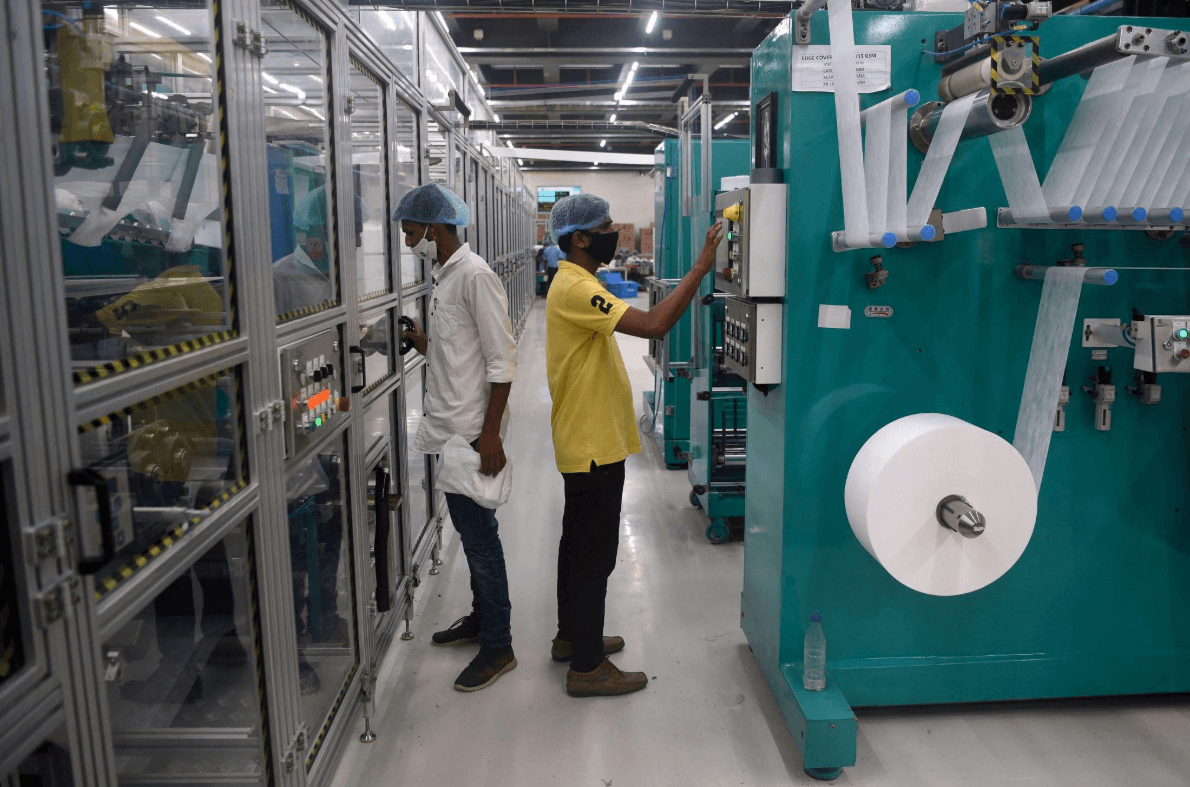
Swara makes disposable hygiene products—mainly baby diapers, adult diapers, sanitary napkins, and panty liners. Most of its work is contract manufacturing: it makes products for brands that sell them under their own names. It also sells its own brands, Cuddles for baby diapers and Shields for adult diapers. Moneycontrol reported the business model.
The company runs four plants in Madhya Pradesh and says it is India’s largest hygiene contract manufacturer by value. It held a 37% share of the baby-diaper contract-manufacturing market in FY25. Inc42 reported the market position.
Swara Baby Products IPO: The Issue Structure
Swara filed its DRHP in July and received SEBI approval in October. The proposed IPO is worth up to ₹1,000 crore, split equally between a fresh issue and an offer for sale. Business Standard reported the IPO structure.
| Swara Baby Products IPO | Detail |
| Fresh issue | Up to ₹500 crore |
| Offer for sale | Up to ₹500 crore |
| Brainbees stake sale | Up to ₹300 crore |
| Anadya Bon Merchari stake sale | Up to ₹200 crore |
| Possible pre-IPO placement | Up to ₹100 crore |
| Total issue | Up to ₹1,000 crore |
Brainbees owned 76.59% of Swara before the IPO. Even after selling ₹300 crore of shares, it will remain the controlling shareholder. Kotak Neo reported the shareholding.
Why list a company you control?
For Brainbees, the benefits are clear. Swara gets its own public valuation. Brainbees can sell a small part of its stake without losing control. Swara can raise money for growth, and Brainbees keeps a valuable manufacturing business inside the group.
Swara plans to use ₹198.2 crore for a new factory in Madhya Pradesh, ₹100 crore to repay borrowings and ₹27.5 crore to reduce debt at subsidiaries. Inc42 reported the use of proceeds.
This is a familiar corporate playbook: list a subsidiary, retain control, raise capital and create a separate valuation.
The financials look strong
The financials behind the Swara Baby Products IPO show a business that is growing and profitable.
| Metric | FY25 | FY26 |
| Revenue from operations | ₹942.97 crore | ₹1,163.9 crore |
| Revenue growth | — | 23.4% |
| EBITDA | ₹162.72 crore | ₹192.77 crore |
| Profit after tax | ₹80.67 crore | ₹95.58 crore |
Swara’s EBITDA margin was about 16.6% in FY26, and its net margin was about 8.2%. Entrackr reported the financials.
Baby diapers remain the core business. They contributed ₹911.81 crore, or 79% of FY26 product sales. Adult diapers added ₹185.35 crore, or 16%. The Economic Times reported the product mix.
FirstCry’s Role in the Swara Baby Products IPO
The real question is Brainbees’ dual role.
Brainbees is Swara’s promoter, largest shareholder, and one of its largest customers. Fortune India described the dual role. In FY26, Brainbees contributed ₹263.46 crore, or 22.64% of Swara’s revenue. That was down from 23.45% in FY25 and 27.03% in FY24. Fortune India reported the revenue contribution.
So Brainbees is both the company that controls Swara and one of the companies that pays Swara for products.

That is not automatically wrong. Parent companies often buy from subsidiaries. But public investors need to know whether the pricing is fair, whether orders are guaranteed, and whether Brainbees could shift purchases elsewhere.
The related-party risk
Related-party transactions can be efficient. A parent can provide steady demand, shared infrastructure and strategic support. But they can also create conflicts.
Brainbees can influence Swara’s pricing, capacity allocation, product development and strategy while also being a major buyer. That makes it harder to judge whether Swara is being run for its own shareholders or for the wider FirstCry group.
Investors should look for:
- Whether Brainbees pays market rates.
- Whether purchase volumes are guaranteed.
- How easily contracts can be cancelled.
- Whether Swara can grow without Brainbees’ orders.
- How related-party deals are approved.
The own-brand opportunity
Swara’s own brands could reduce its reliance on contract manufacturing.
Cuddles generated ₹204.18 crore in FY26, or 22.39% of Swara’s baby-diaper revenue. Shields generated ₹38.45 crore, or 20.74% of adult-diaper revenue. The Economic Times reported the own-brand revenue. If these brands grow, Swara earns more from consumer sales and depends less on other companies’ orders.
But there is a catch. If Swara expands Cuddles aggressively, it could compete with Brainbees’ BabyHug brand and with other clients’ private-label products.
Swara must decide whether it wants to remain mainly a contract manufacturer or become a consumer brand owner.
What investors should watch
The Swara Baby Products IPO comes down to five questions:
- How much revenue comes from Brainbees after the IPO?
- Is Brainbees paying market rates?
- Can Swara grow without Brainbees’ orders?
- How quickly can Cuddles and Shields scale?
- Will Brainbees remain in control after the stake sale?
The bottom line
The Swara Baby Products IPO offers investors exposure to a growing hygiene manufacturer, but it does not remove the company’s dependence on FirstCry. Brainbees will still be Swara’s promoter, largest shareholder and a major customer. That makes Swara less a fully independent manufacturer and more a controlled supplier with a public listing.
Investors must decide whether that is a strong, capital-backed manufacturing story—or a related-party business wearing the clothes of independence.
Read More: AI Search Advertising: Why Brands Are Paying to Appear Beside AI Answers