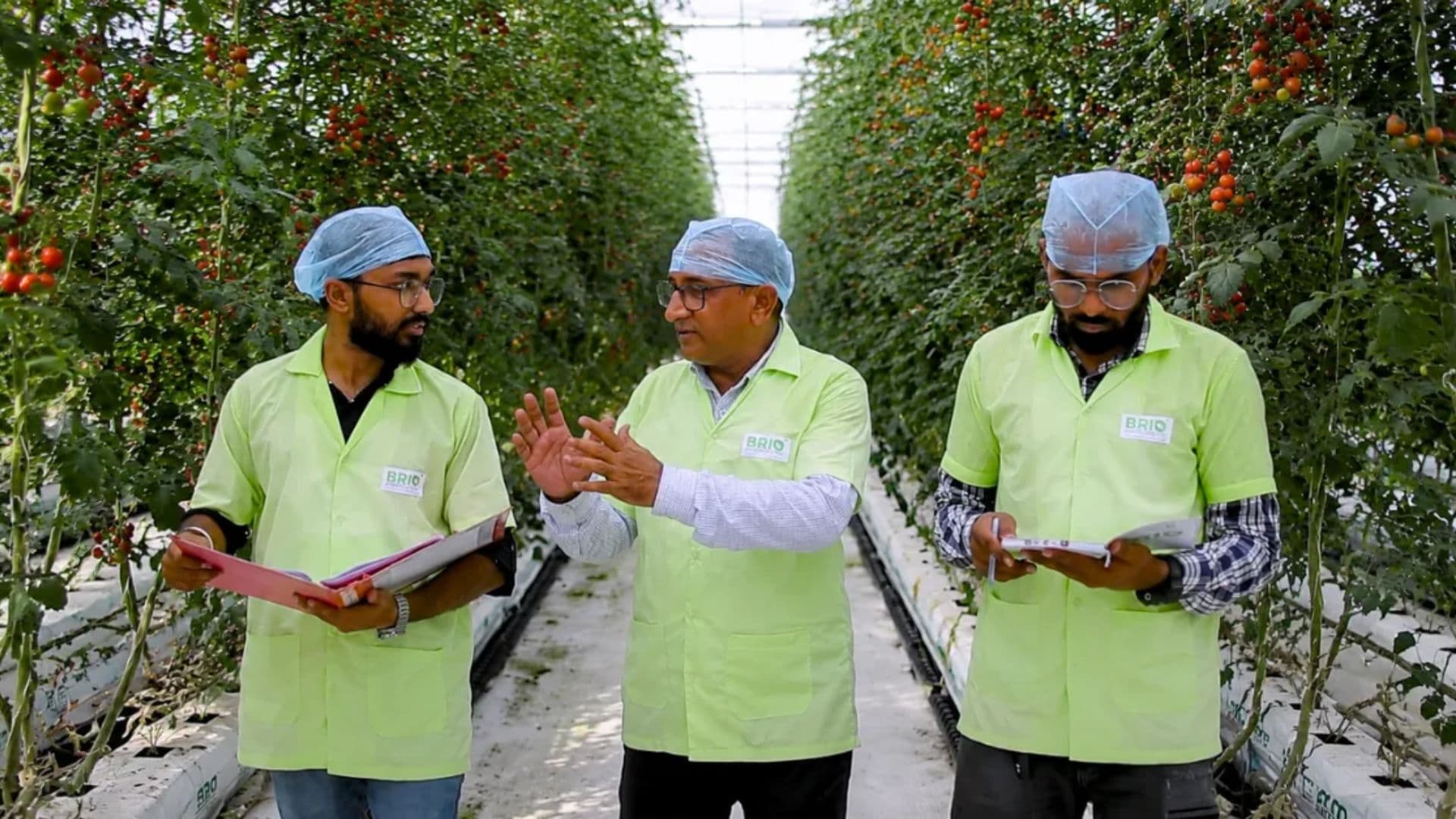
Brio Hydroponics has spent a decade building IoT-powered, climate-controlled farming systems that are turning Indian agriculture from a gamble into a planned, profitable business
For generations, farmers in India and around the world have relied on the unpredictable monsoon seasons, limited availability of groundwater, and shrinking arable land as key factors impacting their agricultural value. A startup company in Gujarat believes that the use of technology can change all of that.
From a Farmer’s Son to a Farming Innovator
Pravin Patel, whose family has been farming for multiple generations and has a commerce degree, founded Brio Hydroponics in 2014 based on firsthand experience of how elements (i.e., weather) impact farm income. His conclusion was relatively simple yet profound: if there is no precipitation forecasted in traditional farming, why would I, as a farmer, use one growing system for another based on projected precipitation levels?
“In traditional agriculture, there is no forecast for production,” Patel says. “Here, we can forecast and plan. We can produce according to demand and supply in a much better way.”
How the Technology Works
Brio’s proprietary integration of Controlled Environment Agricultural Systems with IoT-enabled Infrastructure to regulate irrigation, nutrients, temperature, and humidity will create delivery systems and low-variability greenhouse production. Sensor-based fertilization delivers multiple nutrients each day at precisely the right time, virtually eliminating the guesswork associated with fertilizer usage and reducing human error.
The impact of this type of farming is significant. Farmers utilizing Brio’s systems consume up to 90% less water than traditional methods and grow 5-10 times more food per acre. For example, farmers can harvest 500 – 600 tonnes of cucumbers from a single hectare every year.
Changing Mindsets, Building Agripreneurs
In addition to developing advanced technologies, Brio has educated over 16,000 individuals and supported more than 150 hydroponic farms throughout India and internationally, which include projects located in Gujarat, Maharashtra, Assam, Rajasthan, Tamil Nadu, and in Singapore and the Maldives. Initial investment levels range from Rs 25 lakh to Rs 90 lakh/acre, with mature farms producing between Rs 60 lakh and Rs 80 lakh/acre/year over a 15-20 year infrastructure lifecycle.
“Anybody can become an agripreneur,” Patel says. “We have seen people from IT backgrounds, students, and traditional farming families enter this field.”
Brio is now developing a 100-acre hydroponic cluster in Talod, Gujarat, among the largest projects of its kind in the country, as Patel pushes his vision of hydroponics becoming a cornerstone of India’s food security infrastructure.