New Delhi, October 23, 2026: Gold and silver prices continued to decline sharply in domestic commodity markets on Friday as rising crude oil prices, persistent inflation concerns and expectations of higher US interest rates weighed on investor sentiment.
Gold futures on the Multi Commodity Exchange (MCX) fell below ₹1.42 lakh per 10 grams during early trade, while silver futures came under renewed selling pressure, moving towards the ₹2 lakh-per-kilogram mark. The decline follows a broader sell-off in precious metals over recent sessions.
According to market reports, MCX gold prices dropped by as much as ₹1,503 per 10 grams on Friday, while silver prices fell by around ₹7,000 per kilogram in a sharp intraday move.

The correction has intensified concerns among investors who had turned to precious metals as a hedge against economic uncertainty. However, the latest decline reflects a changing outlook for inflation, interest rates and global energy markets.
Gold Prices Fall Nearly 6.4% in 10 Sessions
Gold has recorded a significant correction after coming under sustained selling pressure in recent sessions.
According to NDTV Profit, the domestic gold futures price declined by ₹9,693, or approximately 6.4%, over 10 trading sessions. On Friday, the December gold futures contract touched an intraday low of ₹1,41,806 per 10 grams before recovering some ground.
Internationally, spot gold also remained under pressure. The metal was trading around $4,016 per ounce in early trading on Friday, heading towards its steepest weekly decline in more than four months.
The weakening trend comes as investors reassess expectations for US monetary policy. Gold does not generate interest income, making it relatively less attractive when interest rates and bond yields remain high.
Why Are Gold and Silver Prices Falling?
1. Crude Oil Surge Fuels Inflation Fears
Rising crude oil prices have emerged as a major factor behind the decline in precious metals.
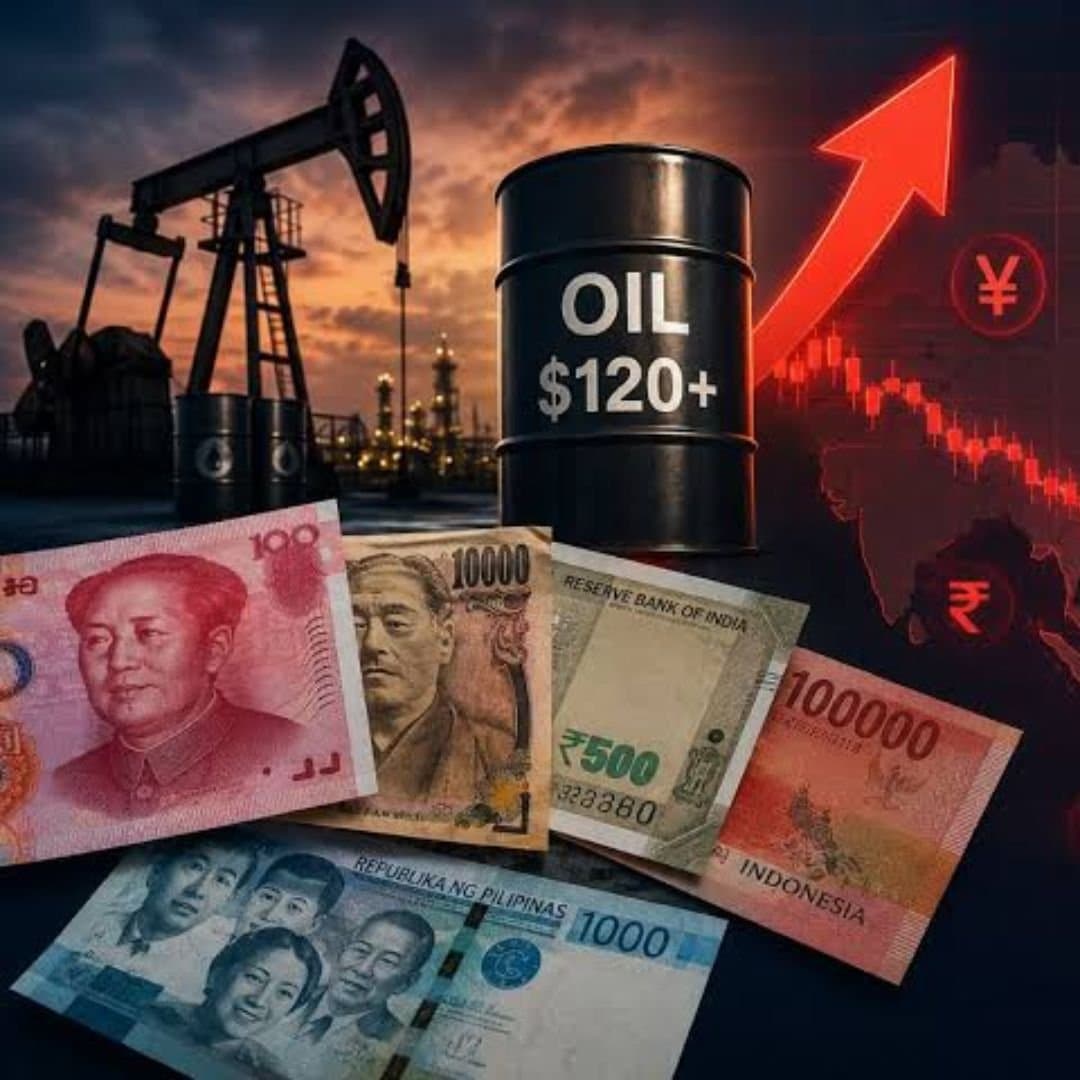
Oil prices climbed amid escalating geopolitical tensions in the Middle East and concerns about potential disruptions to energy supplies. Brent crude rose above $113 per barrel during recent trading, increasing concerns that energy costs could keep inflation elevated.

Higher oil prices can push up transportation, manufacturing and production costs across economies. If inflation remains persistent, central banks may be reluctant to cut interest rates and could maintain restrictive monetary policies for longer.
This creates a challenging environment for gold and silver, which do not pay interest or dividends.
ALSO READ: In August, gold prices in India rally, but old gold sales remain muted
2. US Federal Reserve Meeting in Focus
Investors are closely watching the US Federal Reserve’s October 27–28 policy meeting for signals about the future direction of interest rates.
Markets are assessing whether persistent inflation will delay monetary easing or increase the possibility of further tightening later in the year.

Higher US interest rates generally support the dollar and Treasury yields, increasing the opportunity cost of holding precious metals. The prospect of rates remaining elevated has therefore contributed to selling in gold and silver.
Investors are also awaiting US inflation data, including the Personal Consumption Expenditures price index, which is closely monitored by the Federal Reserve.
3. Stronger Dollar and Bond Yields Add Pressure
A stronger US dollar can make dollar-denominated gold and silver more expensive for buyers using other currencies, potentially reducing international demand.
Higher Treasury yields can also draw investment away from non-yielding assets towards interest-bearing instruments.
These factors have added to the pressure on international bullion prices. In India, currency movements influence how much of the global price decline is reflected in domestic markets.
4. Silver Faces Additional Industrial Demand Concerns
Silver has experienced particularly sharp selling pressure because it serves both as a precious metal and as an industrial commodity.
The metal is widely used in solar panels, electronics, electrical equipment and other industrial applications. Concerns about global economic growth and future industrial demand can therefore affect silver prices more directly than gold prices.
According to Business Standard, silver prices and silver exchange-traded funds remained under pressure on Friday, with several silver ETFs recording intraday declines of more than 3% and some falling by as much as 5%.
Profit-booking after earlier price gains has added to the correction.
Gold and Silver Price Today: What Investors Should Know
The latest price movements in the domestic futures market are as follows:
- Gold: MCX gold touched an intraday low of ₹1,41,806 per 10 grams on Friday, according to NDTV Profit.
- Silver: MCX silver December futures were reported trading around ₹1,95,064 per kilogram in morning trade, according to Business Standard.
- International gold: Spot gold traded near $4,016 per ounce in early trading.
- International silver: Spot silver fell towards the $54-per-ounce level during Friday’s session.
These are reported intraday futures or international market prices, not guaranteed retail jewellery rates. Prices fluctuate during trading and vary by purity, city, taxes, making charges and dealer premiums.
Will Gold and Silver Prices Fall Further?
The near-term outlook for precious metals remains uncertain, with crude oil prices, the US dollar, bond yields and Federal Reserve policy expectations likely to determine the next move.
For gold, market analysts are watching the ₹1.40 lakh–₹1.41 lakh zone as an important support area in domestic futures trading. A sustained break below this range could expose the metal to further declines, while a recovery above nearby resistance levels could help stabilise prices.
Silver could remain more volatile because of its sensitivity to both investment flows and industrial demand. Further weakness in international silver prices could also put pressure on domestic contracts and silver ETFs.
However, a sharp correction does not automatically mean prices will continue falling. Any easing of geopolitical tensions, a decline in crude oil prices or a more accommodative signal from the Federal Reserve could support a recovery in bullion.
Should You Buy Gold and Silver During the Price Crash?
The recent decline may attract buyers who had been waiting for lower prices, but investors should avoid assuming that the correction has ended.
People purchasing jewellery should compare the latest rates for 22-carat and 24-carat gold across local jewellers and account for making charges, taxes and buyback terms.
Investors considering gold or silver for the long term should assess their financial goals, risk tolerance and existing portfolio exposure. Staggered purchases can reduce the risk of investing the entire amount immediately before another decline, although they do not guarantee returns.
Silver typically experiences greater price swings than gold because of its industrial exposure. Investors should account for that additional volatility before increasing their holdings.
The immediate market trigger remains the outlook for inflation and interest rates. Until there is greater clarity on oil prices and the Federal Reserve’s next policy steps, gold and silver could continue to witness sharp movements.