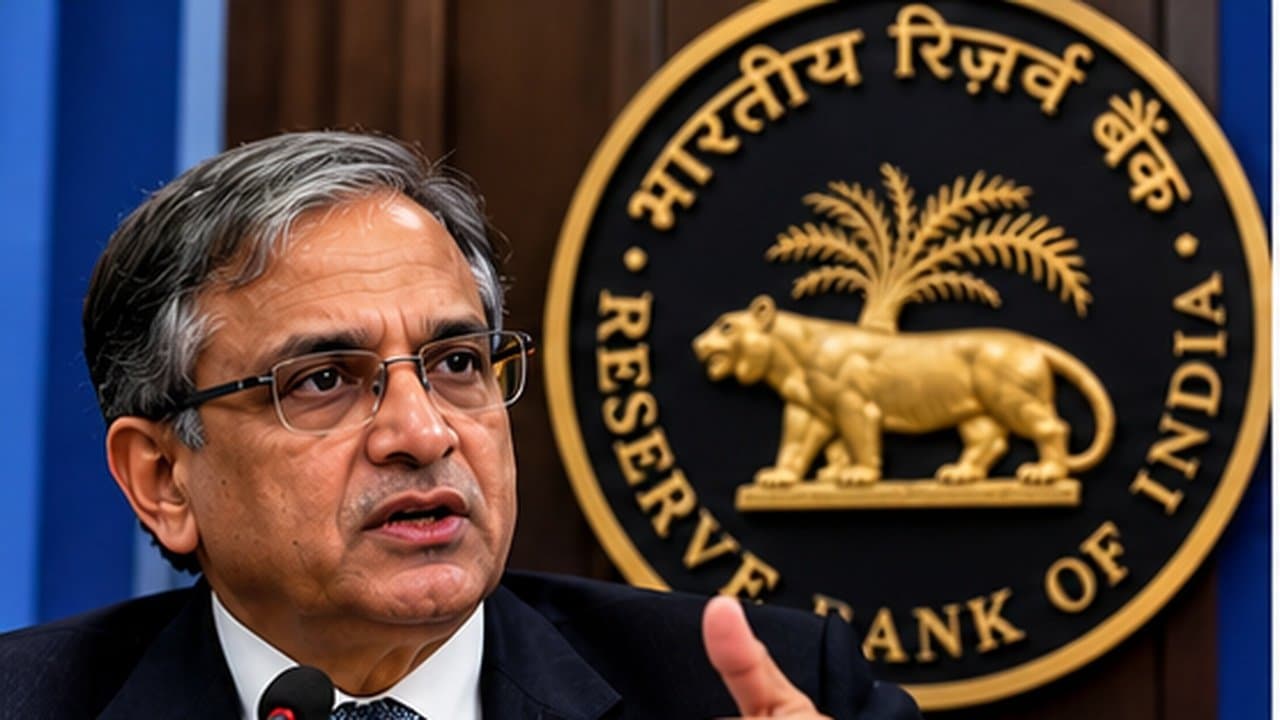
The Reserve Bank of India (RBI) has delivered a surprise tightening signal by raising its benchmark repo rate by 25 basis points to 5.50%, marking the first rate hike since February 2023.
The decision was taken by the six-member Monetary Policy Committee as the central bank faces renewed inflation risks from higher crude oil prices, global financial conditions and pressure on the Indian rupee. The RBI also shifted its monetary policy stance towards “calibrated tightening.”
The rate decision comes despite strong economic growth. The RBI has raised its FY27 GDP growth projection to 7.1% from 6.7%, while increasing its inflation forecast to 5.2%.
What happens to home loan EMIs?
The biggest immediate concern for borrowers is the potential increase in loan costs.
Banks and financial institutions may eventually raise lending rates following the repo-rate increase, particularly for loans linked to external benchmarks. Existing floating-rate home loans, vehicle loans and personal loans could therefore become more expensive.

The actual impact will depend on the bank’s lending benchmark, loan agreement and how quickly lenders transmit the RBI’s move.
For borrowers, a higher interest rate could mean either higher monthly EMIs or a longer repayment period if the lender keeps the EMI unchanged.
What happens to fixed deposit rates?
The Reserve Bank’s tightening cycle could be positive for savers.
Banks may raise deposit rates to attract funds, potentially improving returns on fixed deposits and other interest-bearing instruments. However, the extent and timing of any increase will depend on individual banks and market liquidity.

ALSO READ: RBI Says India’s Financial System Remains Resilient Despite Elevated Global Risks
What does it mean for stocks?
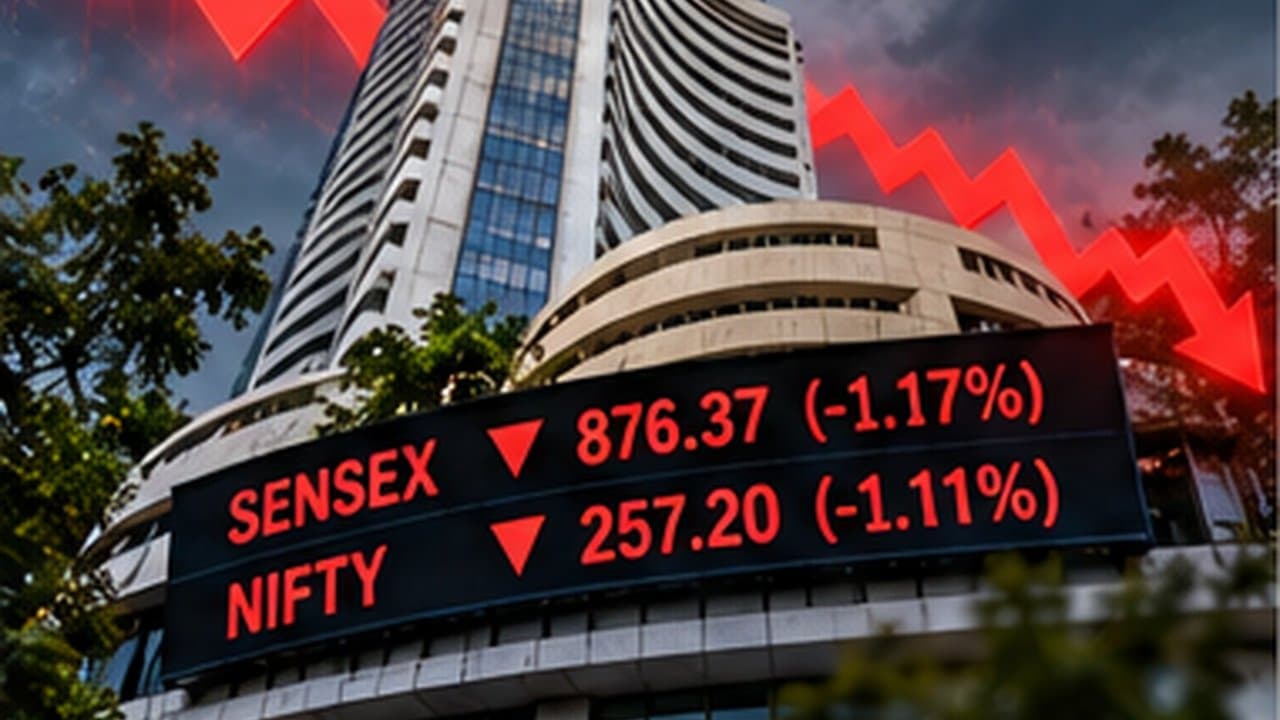
Higher interest rates can create short-term pressure on equities because borrowing becomes more expensive and future corporate cash flows are discounted at higher rates.
Rate-sensitive sectors such as banks, NBFCs, automobiles and real estate could see volatility.
At the same time, stronger GDP projections provide an important counterweight. The RBI says private consumption and fixed investment continue to support economic activity.
Why did RBI hike rates now?
Inflation has become a key concern. Consumer inflation reached 4.82% in August, remaining above the RBI’s 4% target for the third consecutive month. Rising crude prices also create the risk of imported inflation, particularly for an economy that relies heavily on oil imports.
The decision therefore represents a balancing act: supporting growth while preventing higher energy and food costs from becoming entrenched inflation.