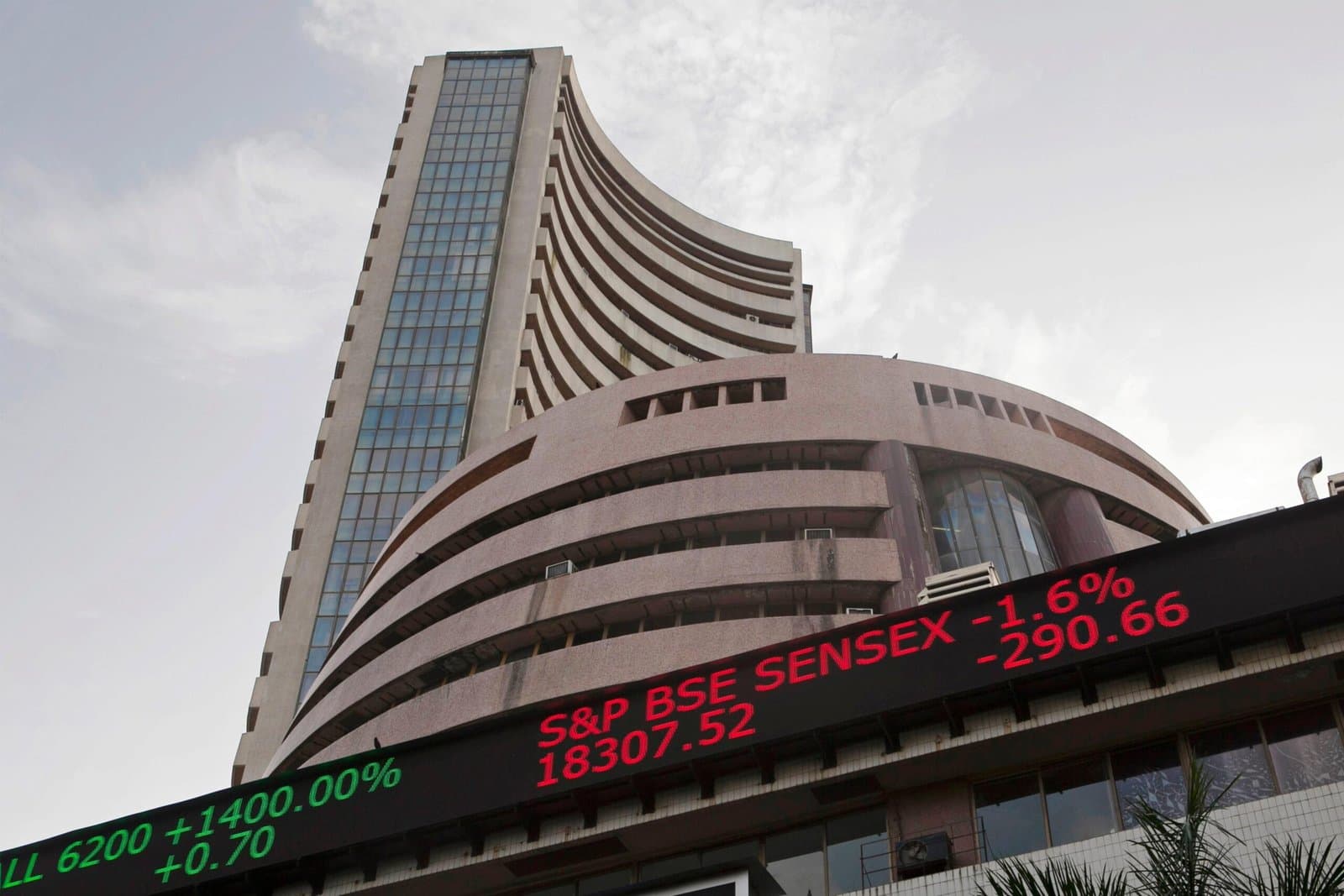
The Indian stock market, Sensex and Nifty, staged a recovery on Friday, October 9, as buying in information technology stocks lifted benchmark indices after a sharp sell-off in the previous session. Investors returned to select stocks, while easing oil prices and improved global sentiment offered some relief to domestic markets.
The BSE Sensex rose 1.08% to 72,363.99, while the NSE Nifty 50 gained 1.15% to 22,489.50 in morning trade, according to IT leads rebound in Indian shares; TCS jumps on quarterly results accordind to Reuters.

The recovery followed Thursday’s decline, when the Sensex closed at a 32-month low and the Nifty ended at its lowest level in approximately 18 months.
IT stocks lead the market recovery
Information technology stocks emerged as the primary drivers of Friday’s rebound. The Nifty IT index gained around 3.3%, supported by buying in major technology companies and optimism following Tata Consultancy Services’ September-quarter results.
TCS shares jumped after the country’s largest IT services company by revenue reported accelerating artificial intelligence-related revenue and growth in international business. Investors also assessed the potential impact of recent US labour-certification restrictions on Indian technology companies.
The broader market participated in the recovery, with mid-cap and small-cap indices also recording gains in morning trade. However, a one-session rally does not necessarily indicate that the broader downtrend has ended.
Why did Sensex and Nifty fall sharply on Thursday?
The rebound followed a difficult session for Dalal Street. On October 8, the Sensex dropped 1,045.46 points, or 1.44%, to close at 71,593.24. The Nifty fell 371.25 points, or 1.64%, to 22,231.80.

Several factors contributed to the sell-off, including elevated crude oil prices, foreign investor outflows, a weaker rupee and concerns over global borrowing costs. Rising volatility added to investor caution.
The Reserve Bank of India’s decision to raise the repo rate by 25 basis points to 5.50% on October 7 also increased attention on borrowing costs and the outlook for economic growth.
Crude oil and foreign investor flows remain key risks
Oil prices remain an important variable for Indian markets because India depends heavily on imported crude. Higher energy costs can increase the import bill, put pressure on the rupee and raise expenses for fuel-intensive industries.

Foreign institutional investor selling has added to the pressure on equities. Persistent outflows can weigh on market liquidity and valuations, particularly when global investors become more cautious about emerging markets.
Any sustained recovery will therefore depend not only on domestic buying but also on developments in crude prices, currency markets and global bond yields.
ALSO READ: Market News Latest: Sensex, Nifty rise as Indian stock market extends recovery ahead of RBI policy
Is the market rebound sustainable?
Friday’s gains indicate that investors are willing to buy stocks after the steep correction. Nevertheless, traders will be watching whether the Sensex and Nifty can hold their gains and whether buying broadens beyond information technology shares.
A sustained decline in crude prices, improved foreign investor flows and stronger corporate earnings could support further recovery. Conversely, renewed geopolitical tensions, higher oil prices or additional global market weakness could trigger fresh selling.
For investors, the key distinction is between a short-term bounce and a confirmed change in market direction. The coming sessions will provide a clearer indication of whether Friday’s recovery marks the beginning of a more durable rebound.
This article is for informational purposes only and does not constitute investment advice.