Flipkart’s redomiciliation from Singapore to India is a structural step towards a possible Indian IPO. It brings the company’s holding structure closer to its main market, but the process also involves tax, shareholder, and regulatory costs.
Why Flipkart is redomiciling
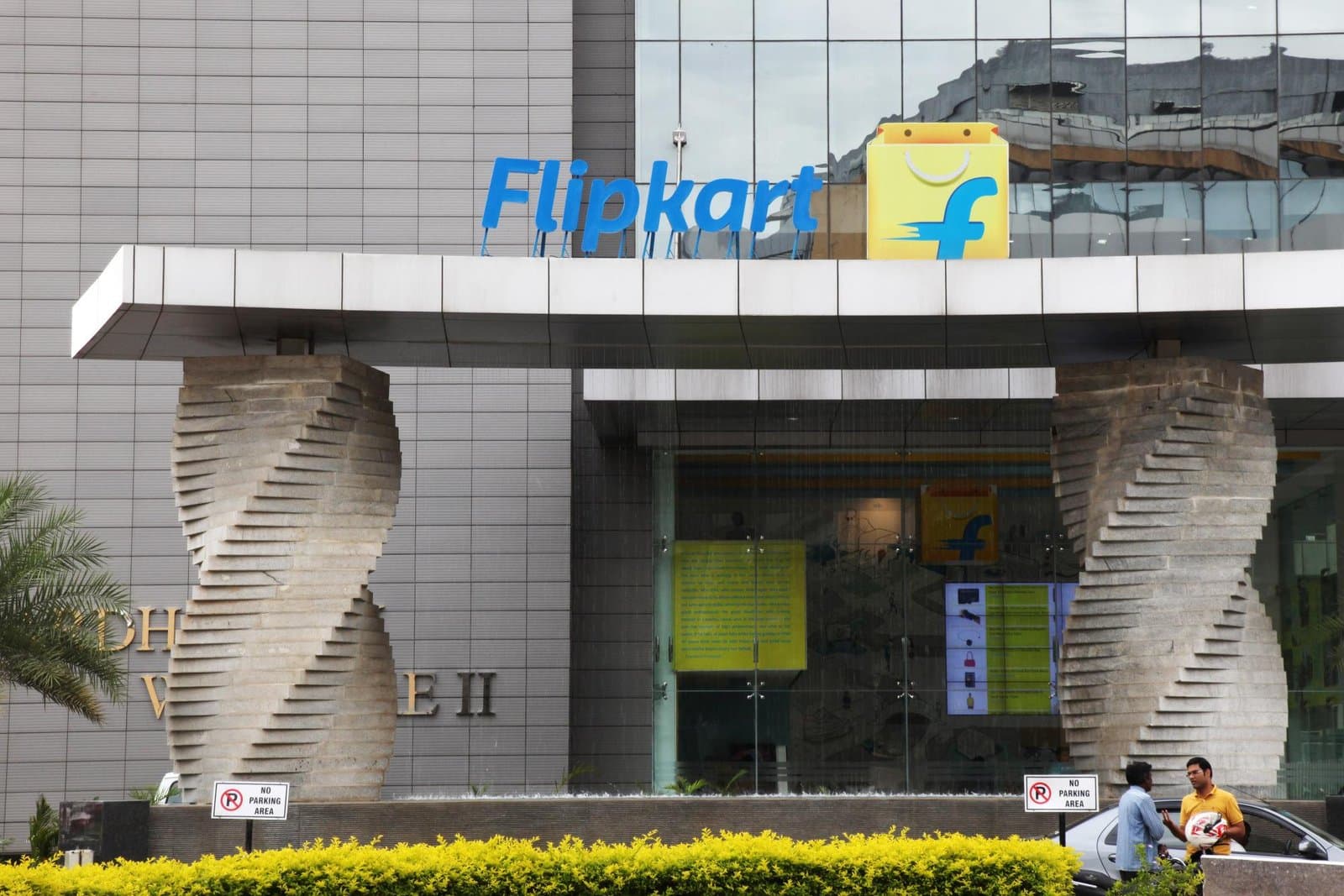
Flipkart has shifted its holding structure from Singapore to India, with Flipkart Internet Private Limited becoming the group’s holding entity. The restructuring required approval from the National Company Law Tribunal and the government. The Economic Times reported the change.
The move is primarily linked to Flipkart’s possible Indian IPO. In 2025, people familiar with the company’s plans told Business Standard that Flipkart was targeting a valuation of up to $70 billion.
More recent reporting placed the potential valuation closer to $50 billion. Business Standard reported that the IPO timeline remained uncertain and that Walmart was considering a valuation of approximately $50 billion.
These are reported targets, not confirmed IPO valuations.
Why redomiciliation helps
Redomiciliation can make an Indian IPO easier because:
- The listed holding company would be incorporated in India.
- Indian businesses could be consolidated under the domestic parent.
- Indian investors could buy shares directly in an Indian company.
- Employee stock options could be linked to an Indian-listed entity.
- The group’s structure would be easier to explain to domestic investors and regulators.
A foreign company can access Indian markets through instruments such as Indian Depository Receipts, but that route has separate eligibility and disclosure requirements. SEBI’s IDR guidance sets out the framework for foreign issuers.
Redomiciliation does not guarantee an IPO. Flipkart must still file offer documents, meet SEBI requirements, obtain exchange approvals, and disclose its financial and group structure.
The cost of redomiciliation
Redomiciliation can create a tax bill because shares may be transferred or exchanged at fair-market value during the restructuring.
Flipkart has not publicly disclosed the tax cost of its redomiciliation. Previous examples show why the expense can be substantial:
- PhonePe: reportedly paid approximately ₹8,000 crore in taxes when it moved from Singapore to India. The Economic Times reported the figure.
- Groww: paid approximately ₹1,340 crore, or $160 million, in taxes while moving its holding structure from the US to India. Moneycontrol reported that the one-time tax contributed to Groww’s FY24 consolidated loss.
- Razorpay: completed a merger-based redomiciliation from the US to India. Its final tax cost was reportedly approximately $150 million after restructuring. Bar & Bench reported.
These are reported figures, not equivalent tax assessments. The final cost depends on the legal structure, fair-market value, tax jurisdiction, and shareholder arrangements.
What happens to shareholders?
Existing shareholders generally receive shares in the Indian holding company in exchange for their interests in the overseas parent. However, the process can involve:
- Share-swap arrangements.
- Changes to share classes.
- Revised shareholder agreements.
- Foreign-exchange compliance.
- Tax liabilities.
- Conversion of employee stock options.
- Regulatory approvals for foreign investors.
Flipkart also required Press Note 3 clearance because Tencent reportedly owns approximately 5–6% of the company. Press Note 3 requires government approval for investment from countries sharing a land border with India. MediaNama explained the issue.
Redomiciliation also matters to employees. A domestic IPO could create a clearer liquidity event for current and former employees holding stock options. But uncertainty over the IPO timeline has already led former executives to ask Walmart for a buyback of vested options. The Economic Times reported on those requests.
Why Indian public markets matter

An Indian IPO could give Flipkart access to:
- Domestic mutual funds.
- Insurance and pension capital.
- Indian retail investors.
- Rupee-denominated liquidity.
- A public valuation benchmark.
- A local exit route for employees and early investors.
India has also developed a deeper IPO market for technology and consumer companies. DLA Piper noted that Indian exchanges raised approximately $19.9 billion through 327 IPOs in 2024.
But public markets bring greater scrutiny. Flipkart would need to disclose:
- Group-company relationships.
- Losses in newer businesses.
- Related-party transactions.
- Employee-option liabilities.
- Subsidiary performance.
- Cash burn and profitability.
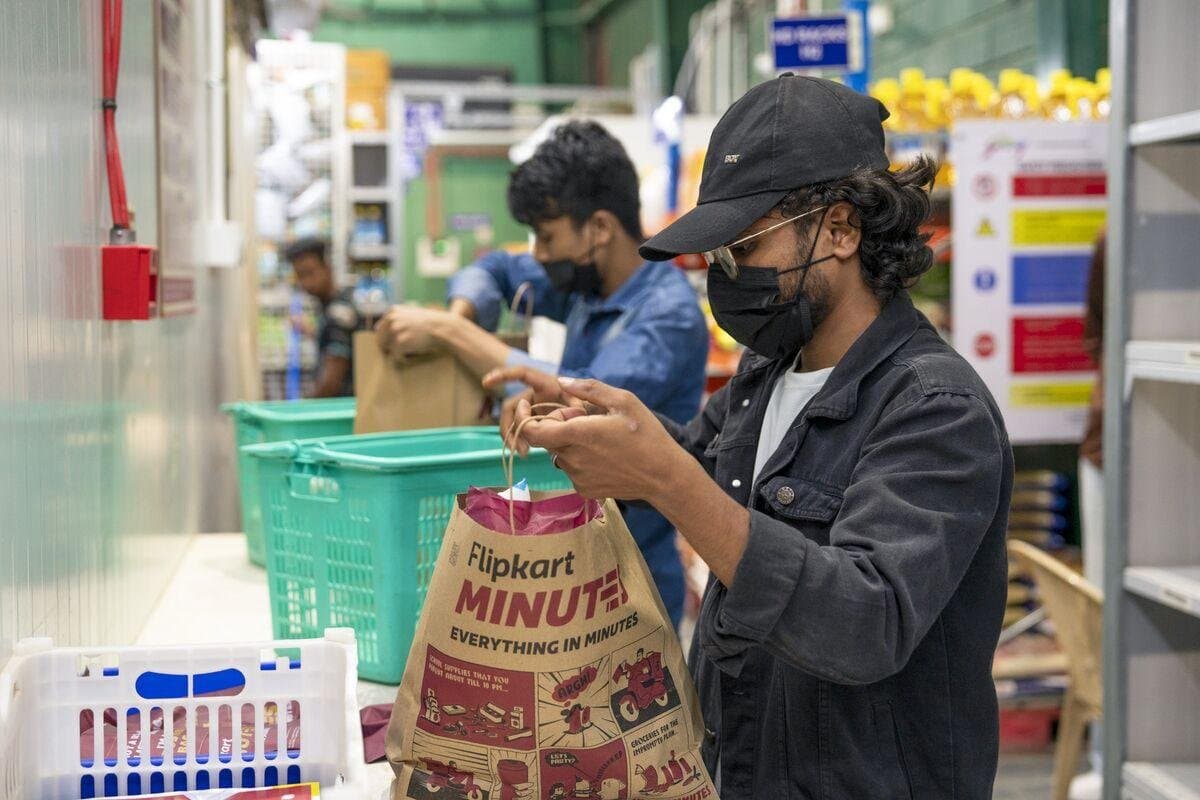
- The economics of businesses such as Minutes and Eat In.
Redomiciliation may clear the structural path to an IPO, but it does not guarantee public-market acceptance.
Who could follow?
PhonePe, Groww and Razorpay have already completed comparable redomiciliation exercises. Other Indian unicorns may consider the move if they:
- Generate most revenue in India.
- Expect to list domestically.
- Want access to Indian institutional capital.
- Need local liquidity for employees and investors.
- Prefer an Indian holding structure for future acquisitions or funding.
However, redomiciliation is not automatically beneficial. A company targeting a foreign listing, international acquisition or global investor base may prefer to retain an overseas structure.
Conclusion
Flipkart’s redomiciliation is best understood as an IPO-enabling restructuring. The company is bringing its legal holding structure closer to the market where it conducts most of its business and hopes to raise public capital.
The move also shows why redomiciliation is expensive and complex. PhonePe, Groww and Razorpay reportedly incurred significant tax costs, while Flipkart required NCLT and government approvals because of its foreign shareholder base.
For Indian unicorns, redomiciliation is becoming an important strategic decision. It can improve access to Indian public markets, but it may also create tax liabilities, shareholder complications, and a lengthy regulatory process.
The key lesson is simple: redomiciliation can open the door to an Indian IPO, but companies must pay for the door before they know whether public investors will walk through it. Flipkart has completed the structural move; the valuation, timing and success of a public listing remain separate questions.
Read More: Venture Debt Is Back: Why Indian Startups Are Borrowing Instead of Selling Equity